
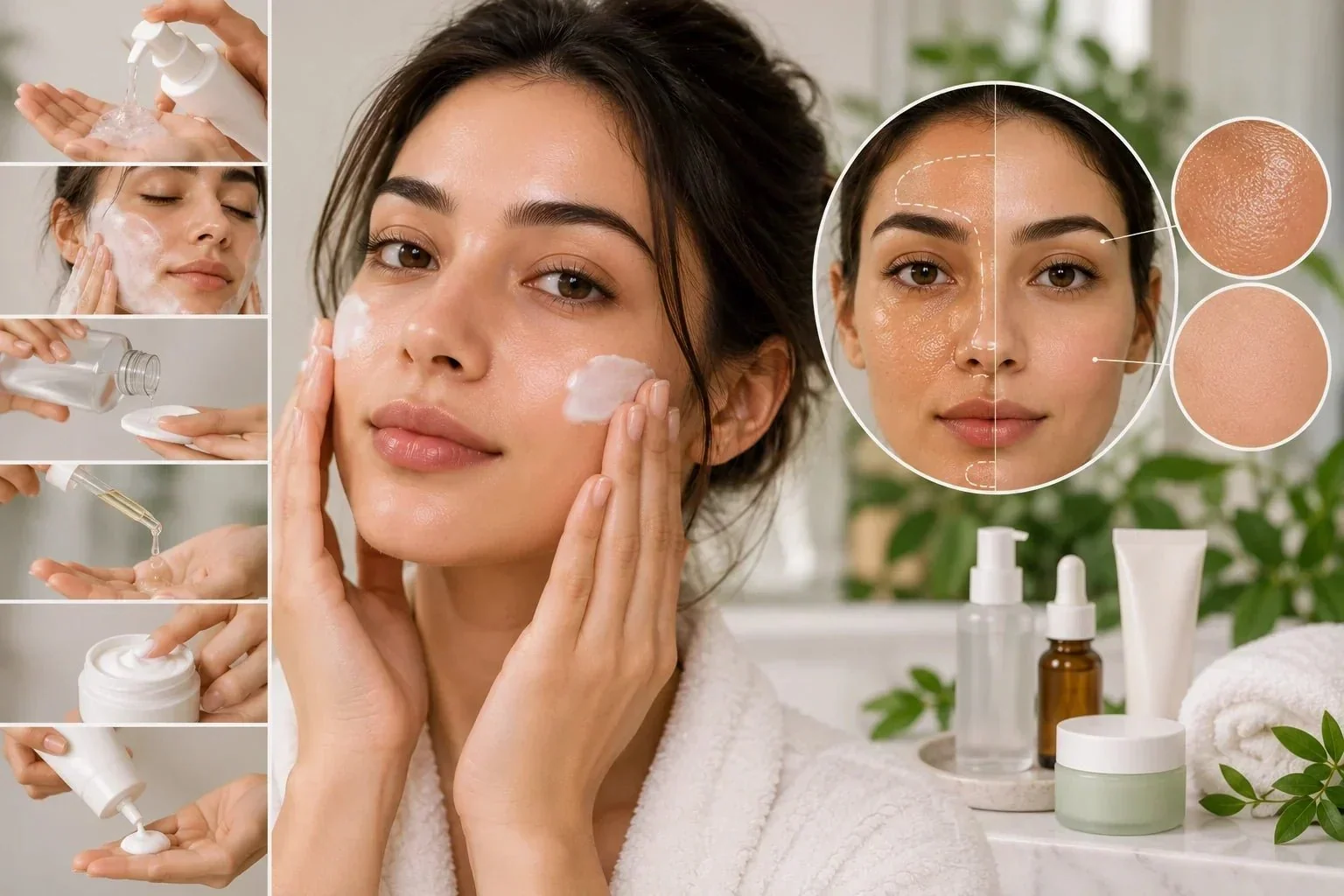

Exfoliating skincare products play an important role in maintaining smooth, healthy-looking skin. They help remove dead skin cells from the skin’s surface, improve texture, and support a brighter complexion. However, choosing the right exfoliating formula can be challenging because different products contain different ingredients and strengths. Some are designed for sensitive skin, while others target clogged pores, uneven texture, or dullness.
Using the wrong exfoliator or applying it too frequently may cause dryness, redness, irritation, and damage to the skin barrier. Therefore, understanding exfoliating ingredients and your skin’s individual needs is essential. This guide explains how exfoliating skincare products work, which formulas are available, and how to select a suitable option for your routine.
What Are Exfoliating Skincare Products?
Exfoliating skincare products are formulated to remove accumulated dead skin cells from the outer layer of the skin. These cells naturally shed over time, but the process can sometimes become uneven. This may contribute to rough texture, dullness, and clogged pores.
Exfoliators help support the skin’s natural renewal process. They are available in different forms, including cleansers, toners, serums, masks, and exfoliating creams.
Some products use acids to loosen the connections between dead skin cells, while others contain small particles that physically polish the skin’s surface. The best option depends on your skin type, concerns, and tolerance.
How Does Skin Exfoliation Work?
The skin continuously produces new cells. As these cells move toward the surface, older ones gradually shed. Exfoliation helps remove some of the dead cells that remain on the outer layer.
Regular and gentle exfoliation can make skin feel smoother and improve the appearance of uneven texture. It may also help skincare products spread more evenly across the skin.
However, exfoliation does not need to be aggressive to be effective. Removing too many surface cells can weaken the skin barrier and increase sensitivity. A balanced routine is more beneficial than using several strong exfoliating products at once.
Different Types of Exfoliating Skincare Products
There are two main categories of exfoliating skincare products: physical exfoliators and chemical exfoliators. Each works differently and offers specific benefits.
Physical Exfoliators
Physical exfoliators use particles or textured materials to remove dead skin cells through gentle friction. Common examples include facial scrubs, polishing powders, and certain cleansing brushes.
Some formulas contain smooth, fine particles, while others use rougher materials. Products with sharp or uneven particles may irritate sensitive skin, especially when used with excessive pressure.
If you prefer a physical exfoliator, choose a gentle formula designed specifically for facial skin. Avoid harsh scrubbing and do not use it on irritated, broken, or sunburned skin.
Chemical Exfoliators
Chemical exfoliators use active ingredients to loosen the bonds between dead skin cells. They generally provide a more controlled approach than abrasive scrubs.
Common chemical exfoliating ingredients include alpha hydroxy acids, beta hydroxy acids, and polyhydroxy acids. These ingredients have different properties and may suit different skin concerns.
Chemical exfoliators are available in leave-on serums, toners, masks, and cleansers. Their strength and recommended frequency depend on the specific formulation.
Understanding Popular Exfoliating Ingredients
Reading the ingredient list can help you identify which exfoliating product may suit your needs. Here are some commonly used ingredients.
Glycolic Acid
Glycolic acid is an alpha hydroxy acid (AHA) commonly used to improve the appearance of uneven skin texture and dullness. It has a relatively small molecular size, allowing it to penetrate the outer skin layer effectively.
It may be useful for people concerned about rough texture and the appearance of uneven tone. However, stronger formulas can cause irritation, particularly for beginners and sensitive skin types.
Lactic Acid
Lactic acid is another AHA often found in exfoliating skincare products. It helps loosen dead skin cells and can improve the appearance of rough or dull skin.
It is generally considered a gentler option than glycolic acid at comparable concentrations. Some formulations also include moisturizing ingredients to support skin comfort.
Salicylic Acid
Salicylic acid is a beta hydroxy acid (BHA) that is particularly useful for oily and blemish-prone skin. It is oil-soluble, allowing it to work inside pores and help remove accumulated debris.
It is commonly included in products designed for blackheads, clogged pores, and excess oil. People with dry or sensitive skin should introduce it carefully.
Polyhydroxy Acids
Polyhydroxy acids (PHAs), such as gluconolactone, are larger molecules that generally penetrate the skin more slowly than many traditional AHAs.
They offer gentle exfoliating benefits and may be suitable for people who struggle with stronger exfoliating acids. However, individual reactions can still vary.
Choose an Exfoliator According to Your Skin Type
Your skin type is one of the most important factors when selecting exfoliating skincare products.
For Oily Skin
Oily skin may benefit from lightweight exfoliating formulas containing salicylic acid. These products can help remove excess oil and reduce the buildup that contributes to clogged pores.
Avoid combining several strong treatments without professional guidance. Excessive exfoliation may irritate the skin and make your routine harder to maintain.
For Dry Skin
Dry skin usually benefits from gentle exfoliation combined with moisturizing ingredients. Lactic acid and suitable PHA formulations may be worth considering.
Look for products containing ingredients such as glycerin, ceramides, and hyaluronic acid. These ingredients help support hydration and maintain skin comfort.
For Sensitive Skin
Sensitive skin requires extra care when introducing exfoliating products. Gentle PHA formulas may be a starting point, but even mild ingredients can cause reactions.
Choose fragrance-free products when possible and avoid rough facial scrubs. Start with occasional use and monitor your skin before increasing frequency.
For Combination Skin
Combination skin may have oily areas around the forehead, nose, and chin, while the cheeks remain normal or dry.
A mild exfoliating formula may work across the face, but some people prefer applying different products to specific areas. Avoid treating dry areas as aggressively as oily zones.
How to Choose the Right Exfoliating Formula
Selecting an effective exfoliator involves more than choosing a popular ingredient. Consider these factors before purchasing a product:
- Identify your main concern: Decide whether you want to address dullness, rough texture, clogged pores, or uneven skin tone.
- Check the active ingredients: Understand whether the product contains AHAs, BHAs, PHAs, or physical exfoliating particles.
- Consider the concentration: Beginners should generally avoid starting with high-strength exfoliating formulas.
- Review the product format: Cleansers, serums, toners, and masks offer different application methods and contact times.
- Look for supportive ingredients: Moisturizers and barrier-supporting ingredients can make a routine more comfortable.
- Read the instructions: Follow the manufacturer’s recommended application method and frequency.
A product that works well for another person may not be suitable for your skin. Individual tolerance should guide your choice.
How Often Should You Exfoliate?
There is no single exfoliation schedule that works for everyone. The correct frequency depends on the ingredient, product strength, and your skin’s tolerance.
If you are new to exfoliating skincare products, begin with one application per week. Observe how your skin responds before considering more frequent use.
Some gentle products may be suitable for more regular application according to their instructions. Stronger exfoliating treatments should be used less frequently.
Signs of over-exfoliation include persistent redness, burning, tightness, peeling, and unusual sensitivity. If these symptoms appear, stop exfoliating and focus on gentle cleansing and moisturizing. Seek professional advice if irritation is severe or does not improve.
Building an Effective Exfoliation Routine
A simple routine helps you use exfoliating products without unnecessarily stressing your skin.
Morning routine:
- Cleanse with a gentle facial cleanser.
- Apply a suitable moisturizer.
- Finish with broad-spectrum sunscreen with SPF 30 or higher.
Evening routine:
- Remove makeup and sunscreen.
- Cleanse your face gently.
- Apply your exfoliating product on the schedule recommended for that formula.
- Follow with a moisturizer.
Avoid using multiple exfoliating acids, strong retinoids, or other potentially irritating treatments together when starting a new product. Introduce active ingredients gradually and consider professional guidance if you use prescription skincare.
Common Mistakes to Avoid When Exfoliating
Even good exfoliating skincare products can cause problems when used incorrectly. Avoid these common mistakes:
- Exfoliating every day without checking whether the formula supports daily use.
- Scrubbing the face aggressively to achieve faster results.
- Combining several exfoliating products in one routine.
- Applying exfoliators to damaged, irritated, or sunburned skin.
- Ignoring dryness, redness, or burning after application.
- Skipping sunscreen during daytime skincare.
Another common mistake is expecting immediate results. Skin texture and appearance usually change gradually, and results vary between individuals.
Why Sunscreen Matters After Exfoliation
Exfoliating products containing AHAs can increase the skin’s sensitivity to sunlight. This makes sun protection an important part of an exfoliation routine.
Apply broad-spectrum SPF 30 or higher every morning, even when the weather is cloudy. Reapply sunscreen according to its instructions, especially after sweating, swimming, or spending extended periods outdoors.
Protective clothing and shade can provide additional support. Consistent sun protection helps reduce the risk of sunburn and unwanted pigmentation.
Final Thoughts on Exfoliating Skincare Products
Choosing the right exfoliating skincare products starts with understanding your skin type, concerns, and tolerance. Glycolic acid, lactic acid, salicylic acid, and PHAs offer different benefits, while physical exfoliators provide another option for removing dead skin cells.
The best formula is not necessarily the strongest one. A gentle product used correctly can be more useful than an aggressive treatment that causes irritation. Introduce exfoliation gradually, maintain a moisturizing routine, and use sunscreen consistently.
With a thoughtful approach, exfoliating skincare products can become a valuable part of a balanced skincare routine. Pay attention to your skin’s response and adjust your routine whenever necessary.